
Table of Contents
- Best Organic Coffee for Daily Yoga Practice: Quick Comparison
- Brazil Santos: Smooth Cocoa Notes for Morning Flow
- Mexico: Chocolate and Cinnamon Warmth for Centering
- Peru Decaf: Swiss Water Process for Evening Practice
- Sumatra and Bali Blue: Earthy Depth for Grounding
- Ethiopia Natural and Costa Rica: Bright, Fruity Options
- How to Avoid Morning Coffee Jitters Before Yoga
- Best Coffee Before Yoga: Timing and Caffeine Dose
- Frequently Asked Questions
Last Updated: October 12, 2026
Best Organic Coffee for Daily Yoga Practice: Quick Comparison
Finding the best organic coffee for daily yoga practice comes down to matching roast, caffeine level, and flavor to when you actually step onto the mat.
At Yogalatte, we built our lineup around that idea, single-origin, medium-roasted coffees meant to sit gently alongside a morning ritual rather than fight it.
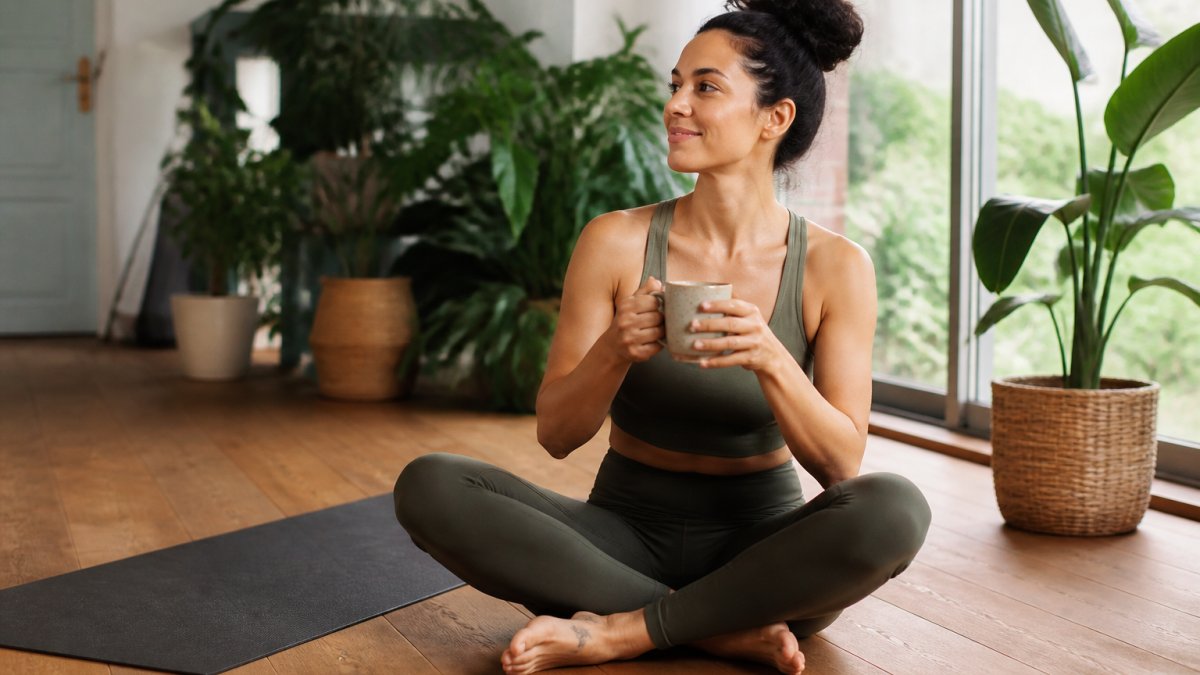
How We Selected These Coffees
We judged each coffee on four things: roast level, caffeine content, flavor balance, and how it fits a practice schedule. Every coffee here is single origin, so you know exactly where it came from and what to expect in the cup. We weighted timing heavily, because a coffee that's perfect at 6 a.m. can be the wrong choice for a 7 p.m. class.
| Coffee | Roast | Flavor Profile | Caffeine | Best For |
|---|---|---|---|---|
| Brazil Santos | Medium | Cocoa, smooth | Regular | Morning flow |
| Mexico | Medium | Chocolate, cinnamon, green apple | Regular | Centering |
| Peru Decaf | Medium | Caramel, citrus | Decaf | Evening practice |
| Sumatra | Medium | Dark chocolate, earthy | Regular | Grounding |
| Bali Blue | Med-dark | Molasses, brown sugar | Regular | Deep, slow practice |
| Ethiopia Natural | Med-light | Fruity, milk chocolate | Regular | Bright, light sessions |
| Costa Rica | Medium | Apple, raisin, honey | Regular | Balanced daily cup |
| Peru | Medium | Salted caramel, citrus | Regular | Sweet, smooth mornings |
Brazil Santos: Smooth Cocoa Notes for Morning Flow
A medium roast with an elegant, smooth cup and clear cocoa notes, Brazil Santos is our pick for early practices.

Pros: Smooth, low-acidity cup; cocoa sweetness without bitterness; forgiving if you drink it slowly. Cons: Less fruit complexity than a natural Ethiopian; a lighter body than Sumatra.
Mexico: Chocolate and Cinnamon Warmth for Centering
Mexico brings chocolate, cinnamon, and green apple in a medium roast grown by smallholders in Chiapas and Oaxaca. Typica, Criollo, Bourbon, Mundo Novo, and Caturra varieties grow on clay-mineral soil at 900-1000 meters, fully washed and sun-dried.

Pros: Distinct cinnamon warmth; balanced body; gentle enough for daily drinking. Cons: The green apple note fades if you brew it too hot; not the boldest cup on this list.
Peru Decaf: Swiss Water Process for Evening Practice
Peru Decaf is the answer for anyone practicing after work. It's a medium roast with caramel, smooth, and citrus notes, grown by the Norandino cooperative in Piura and Amazonas at 1100-1700 meters.

Pros: Genuine decaf without a flat, processed taste; caramel sweetness; works any time of day. Cons: No caffeine lift if you actually want one; slightly lighter body than the regular roasts.
Sumatra and Bali Blue: Earthy Depth for Grounding
Sumatra and Bali Blue are the two deepest, most grounding cups in the lineup. Sumatra, from the KBQB cooperative in Aceh, Takengon, at 1100-1600 meters, is wet-hulled and delivers medium acidity, a syrupy body, dark chocolate, dried fruit, and a long earthy finish.
Pros: Full body; rich, low-acid flavor; excellent for cold mornings. Cons: The earthy intensity isn't for everyone; Sumatra's syrupy body is heavy before a fast, vigorous flow.
Ethiopia Natural and Costa Rica: Bright, Fruity Options
Ethiopia Natural and Costa Rica are for practitioners who want brightness over depth. Ethiopia Natural is a medium-light roast from Sidama-zone smallholders, grown at 1700-1900 meters with indigenous heirloom cultivars, full natural and hand-sorted. It tastes of milk chocolate, fruit, and caramel.
Pros: Bright, aromatic, complex; lower bitterness; great black. Cons: The fruit-forward profile can taste acidic to dark-roast drinkers; less body than the Sumatran options.
How to Avoid Morning Coffee Jitters Before Yoga
Avoiding jitters starts with dose and timing, not willpower. The FDA notes that most healthy adults can consume up to 400 milligrams of caffeine per day without adverse effects, roughly four 8-ounce cups of brewed coffee FDA guidance on caffeine and health. Before yoga, though, you want well under that.
But jitters are not just a caffeine number. They are a stack of small factors, and yoga makes several of them worse. Breath work and long holds ask you to slow your heart rate while caffeine is pushing it up. An empty stomach lets caffeine absorb faster.
The Four Levers You Can Actually Pull
1. Dose. Cut the cup size before you cut the coffee.
2. Timing. Caffeine peaks 30 to 60 minutes after drinking. If you are jittery mid-flow, you likely drank too close to the mat.
3. Food and water. A small snack with fat or protein slows caffeine absorption.
4. Roast and brew. Dark, oily roasts and long extractions can sit heavier on an empty stomach.
A Simple Pre-Practice Routine
If you are prone to jitters, try this sequence and adjust from there:
- Drink 8 ounces of water when you wake up.
- Eat something small, even a few bites.
- Brew a 6-ounce cup of a medium roast, or a full cup of decaf for evening sessions.
When to Switch to Decaf Entirely
Some practitioners never fully adapt to caffeine before yoga, and that is fine. If you notice a racing heart, shallow breath, or trouble settling into stillness even with a small cup, switch to the Peru Decaf for pre-practice and save the regular roasts for after your session. You keep the ritual, the warmth, and the flavor, and you remove the variable that was fighting your breath work.
Best Coffee Before Yoga: Timing and Caffeine Dose
The best coffee before yoga is a moderate dose timed 30 to 60 minutes ahead of your practice, matched to how intense that practice will be. That single sentence is the whole game, but the details are where most people get it wrong. Below is a practical framework you can apply to any of the coffees in this roundup.
Start With a Dose Baseline
A standard 8-ounce cup of brewed coffee contains roughly 95 to 165 milligrams of caffeine, depending on roast, grind, and brew strength. The FDA notes that most healthy adults can consume up to 400 milligrams per day without adverse effects, but that daily ceiling is not a pre-practice target. For yoga, think in fractions of a cup:
- Gentle, restorative, or yin: 4 to 6 ounces, or a full cup of decaf. You want the ritual and the warmth, not the stimulant.
- Slow flow or hatha: 6 to 8 ounces, brewed at your normal strength. Enough for alertness without a racing pulse.
- Vinyasa or power: 8 ounces, ideally 45 to 60 minutes before you start. This is the one case where a full standard cup makes sense.
Map Dose to Practice Intensity
The mistake is treating "coffee before yoga" as one decision. It is really two: how much caffeine, and how long before you move. A 6-ounce cup 45 minutes out feels very different from an 8-ounce cup 10 minutes out, even though the caffeine total is similar.
A useful rule: the more vigorous the practice, the earlier the cup. Caffeine peaks in your bloodstream roughly 30 to 60 minutes after drinking, so if you want the lift to land during your first few sun salutations, start the clock when you finish the cup, not when you pour it.
Low-Caffeine and Decaf Choices for Yoga
Decaf is not a compromise here, it is a tool. The Peru Decaf in this lineup uses the Swiss Water Process, a chemical-free method that removes caffeine while preserving much of the caramel and citrus character. That makes it the right pick for:
- Evening yin or restorative sessions
- Anyone sensitive to caffeine who still wants the ritual
- A second cup later in the day when you have already hit your caffeine budget
If you want a middle ground, brew a half-caf by mixing a regular medium roast with the Peru Decaf at roughly a 1:1 ratio. You keep the flavor of the regular beans and cut the caffeine roughly in half.
Brewing a Gentle, Practice-Friendly Cup
Strength is not just about dose, it is about extraction. A few adjustments make any of these coffees easier on an empty stomach before practice:
- Use a slightly coarser grind for drip or pour-over. Finer grinds extract faster and can push bitterness and caffeine higher.
- Shorten the brew time rather than adding more water. A 3-minute pour-over instead of 4 minutes gives you a softer cup.
- Skip the dark, oily roast before an active practice. Medium and medium-light roasts tend to keep acidity moderate and flavor smooth, which is why this lineup leans that way.
- Drink water alongside the cup. Mild dehydration amplifies the shaky feeling caffeine can cause.
When you are selecting an organic coffee for daily use, look for single-origin beans, a roast level that matches your practice time, and a flavor profile you will actually enjoy drinking slowly. Organic certification tells you the beans were grown without synthetic pesticides, which matters when coffee is part of a wellness routine you repeat every day USDA organic certification standards.
Frequently Asked Questions
Is coffee a good choice before yoga?
Coffee before yoga can work well if you time it right. Caffeine peaks in your bloodstream about 30 to 60 minutes after drinking it, so a cup 45 minutes before class gives you alertness without restlessness. Choose a medium roast like Brazil Santos or Mexico for balanced energy. If you practice in the evening or are sensitive to caffeine, Peru Decaf delivers the ritual without the stimulant.
How can you avoid coffee jitters before yoga?
Three habits reduce jitters: drink water alongside your coffee to slow caffeine absorption, eat a small snack with protein or fat, and cap your intake at one 8-ounce cup. Medium roasts like Brazil Santos and Mexico tend to feel gentler than dark, high-caffeine blends. If jitters persist, switch to Peru Decaf, which uses the Swiss Water Process to remove caffeine while keeping caramel and citrus notes intact.
What should you look for when choosing organic coffee?
Check four things: certified organic status, single-origin labeling, roast level, and processing method. Single-origin coffees like Ethiopia Natural or Costa Rica let you trace exactly where beans came from. Medium roasts suit daily yoga because they balance flavor and caffeine. For decaf, look for the Swiss Water Process, which avoids chemical solvents. Freshness matters too, so buy whole bean and grind just before brewing.
What is the best coffee for daily use?
The best coffee for daily use depends on your practice schedule. Morning practitioners often prefer medium roasts like Brazil Santos or Mexico for smooth, balanced energy. Afternoon or evening yogis do better with Peru Decaf. If you want variety, rotate between Sumatra for earthy depth and Ethiopia Natural for fruity brightness. All options from Yogalatte come in single-origin, one-pound bags at $24.99, so you can test a few before committing to a favorite.
How long should you wait to do yoga after drinking coffee?
Wait 30 to 45 minutes after your last sip before starting yoga. Caffeine reaches peak concentration in your blood around the 30 to 60 minute mark, so this window lets the initial rush settle into steady alertness. If you drink coffee immediately before practice, you may feel restless during balance poses. For a gentler transition, sip slowly over 15 minutes and pair your cup with light stretching or breathing exercises.
Your practice deserves a cup that supports it, not one that leaves you jittery or reaching for a second pot. Yogalatte crafts single-origin, yoga-friendly coffees with a balanced, rich yet smooth taste designed to center your senses and brighten your morning rhythm. Explore the full lineup, from the smooth cocoa of Brazil Santos to the chemical-free decaf of Peru Decaf, and find the roast that fits your ritual. Shop now and start your day with clarity and warmth.