
Table of Contents
- Four Sigmatic vs Purity Coffee: A Side-by-Side Comparison
- Four Sigmatic Coffee Caffeine Content and Formulation
- Purity Coffee Ingredients and Sourcing Standards
- Coffee Mycotoxin Testing: What the Certifications Actually Prove
- Mushroom Coffee Benefits and Drawbacks for a Wellness Routine
- Where Each Option Wins: Use Cases for Your Morning Ritual
- Which Wellness Coffee Fits Your Routine?
- Frequently Asked Questions
Last Updated: October 9, 2026
Four Sigmatic vs Purity Coffee: A Side-by-Side Comparison
Wellness coffee has become a crowded category, and two names dominate the conversation: Four Sigmatic, the brand that popularized mushroom coffee, and Purity Coffee, which built its reputation on testing for mold and toxins. If you're weighing foursigmatic vs purity coffee for wellness, the honest answer is that they solve different problems. Four Sigmatic adds functional mushrooms to coffee. Purity Coffee focuses on making the cleanest possible bean. At Yogalatte, we take a third path: specialty-grade coffee infused with Lion's Mane, Cordyceps, and Reishi, roasted for a balanced, smooth cup that fits a mindful morning ritual.

Here's the trade-off in one line: Four Sigmatic gives you adaptogens with less caffeine, while Purity Coffee gives you a rigorously tested conventional cup. Neither is wrong. They just serve different routines.
Comparison Table: Caffeine, Ingredients, and Price
| Feature | Four Sigmatic | Purity Coffee |
|---|---|---|
| Base | Instant or ground coffee | Whole bean, ground, pods |
| Added ingredients | Lion's Mane, Chaga, adaptogens | None |
| Caffeine level | Lower than standard coffee | Standard, varies by roast |
| Testing focus | Ingredient sourcing | Mycotoxin and mold testing |
| Best for | Adaptogen seekers | Clean-bean purists |
Four Sigmatic Coffee Caffeine Content and Formulation
Four Sigmatic coffee caffeine content is lower than a standard cup because the blends are built on a mushroom-to-coffee ratio rather than a pure roast. The brand's flagship Mushroom Coffee mixes instant or ground coffee with extracts of Lion's Mane and Chaga, so a single serving delivers a fraction of the caffeine you'd get from a typical 8-ounce drip cup. A standard 8-ounce drip coffee generally lands somewhere in the 95-165 mg range depending on roast and grind, while a mushroom-coffee serving is designed to sit well below that, closer to a green-tea-style lift than a full coffee jolt. The exact number varies by product and format, so read the label rather than assuming.
The formulation matters as much as the number. Two things are happening at once:
- Dilution. Cutting coffee with mushroom powder reduces caffeine per scoop, which is why the cup feels gentler and the body feels thinner than a pure roast.
- Synergy. Lion's Mane and Chaga are adaptogens, and the common claim is that pairing them with a smaller caffeine dose smooths the curve, less spike, less crash. That interaction is the whole reason people choose a mushroom blend over a plain cup, and it's the angle most comparison articles skip.
Here's the trade-off in plain terms: you get adaptogens and a milder lift, but you also get a milder cup. If you want a full-flavored, full-strength roast, a mushroom blend will feel like a compromise. If you want steady focus without the jitters, the lower caffeine load is the feature, not the flaw.
Purity Coffee Ingredients and Sourcing Standards
Purity Coffee ingredients and sourcing lean on a single idea: a clean bean with nothing added. The brand emphasizes organic certification and third-party verification, and its marketing centers on antioxidant retention and mold testing. There's no mushroom blend here, no adaptogens. It's conventional coffee, handled carefully. For buyers who want a tested, no-additive cup, that focus is the whole value proposition.
Coffee Mycotoxin Testing: What the Certifications Actually Prove
Coffee mycotoxin testing is where marketing claims most often outrun what a certificate can actually prove, and it's the topic most comparison guides gloss over. Here's the mechanism, not the badge.
What mycotoxins are. They're toxic compounds produced by certain molds that can grow on coffee cherries and beans during growing, harvesting, or storage, especially in warm, humid conditions. The ones most discussed in coffee are ochratoxin A (OTA) and, less commonly, aflatoxins. Mold growth doesn't automatically mean mycotoxin production, the two are related but not identical, which is why testing targets the toxins themselves, not just visible mold.
How testing actually works. A lab takes a sample from a lot or batch and runs it through an analytical method (commonly ELISA or LC-MS/MS) to measure toxin concentration against a threshold. The result applies to that sample from that batch. It is a snapshot, not a permanent guarantee about every bag you'll ever buy.
What the regulatory baseline is. The FDA guidance on food safety and contaminants sets the regulatory framework for what's allowed in food, and the FDA has published action levels for mycotoxins in certain commodities. Coffee-specific limits vary by market and importer, so 'lab-tested' can mean different things depending on who set the threshold.
What to actually ask. If mold and mycotoxin testing is your deciding factor, don't stop at the badge. Ask:
Coffee with Mushrooms Dark Roast →
- Which toxins are screened, OTA only, or a broader panel?
- How often is testing done, every lot, or periodically?
- Who does the testing, an in-house lab or an independent third party?
- Are results published per batch, or summarized in marketing copy?
A brand that answers those four questions with specifics is doing more than a brand that simply prints 'mycotoxin-free' on the bag. That distinction is the real differentiator in this category, and it's the one most buyers never check.
Mushroom Coffee Benefits and Drawbacks for a Wellness Routine
Mushroom coffee benefits and drawbacks come down to what you actually want from your cup. On the plus side, functional mushrooms like Lion's Mane, Cordyceps, and Reishi are traditionally associated with mental clarity, stamina, and calm. Many people find the lower caffeine load easier on the stomach and gentler on the stress response. The drawbacks are real too: the taste is earthier, the body is lighter, and the effects are subtle, not dramatic. If you expect a mushroom blend to replace your coffee habit entirely, you may be disappointed. If you want a smoother, more intentional ritual, it fits.
Where Each Option Wins: Use Cases for Your Morning Ritual
Each option wins in a different scenario, and matching the coffee to the routine matters more than picking a "better" brand.
- Choose Four Sigmatic if you want adaptogens and a gentler caffeine lift in one product.
- Choose Purity Coffee if you want a tested, additive-free conventional cup and don't care about mushrooms.
- Choose Yogalatte if you want specialty-grade coffee with a real mushroom blend and a balanced, smooth taste built for a mindful start.
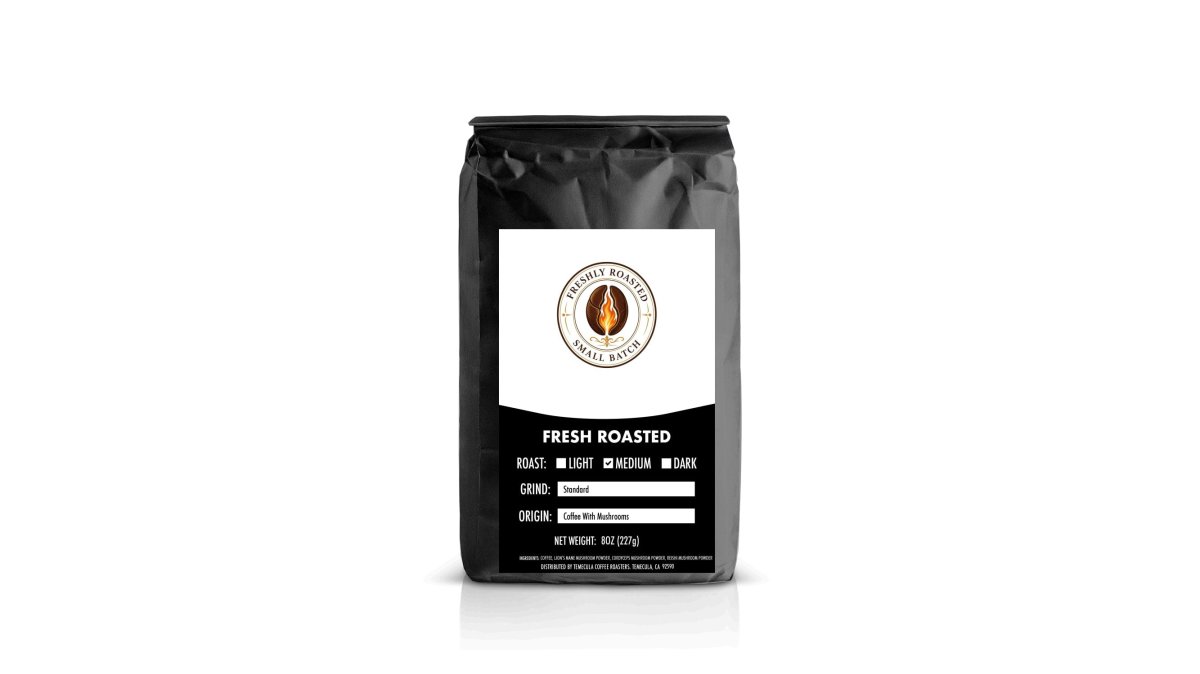
That third option is where we live. Our Coffee with Mushrooms Medium Roast pairs Lion's Mane, Cordyceps, and Reishi with specialty-grade beans for a rich yet smooth cup. For an afternoon or evening ritual, the Decaf Coffee With Mushrooms keeps the flavor without the caffeine. And if you're short on time or counter space, the Instant Coffee with Mushroom gives you about 42 servings in a single package.

| Your Priority | Best Fit |
|---|---|
| Adaptogens, lower caffeine | Four Sigmatic |
| Clean tested conventional cup | Purity Coffee |
| Mushrooms plus specialty roast | Yogalatte |
Which Wellness Coffee Fits Your Routine?
The right wellness coffee is the one that matches how you actually drink it. If you want adaptogens and a lighter lift, Four Sigmatic delivers. If you want a rigorously tested, additive-free bean, Purity Coffee earns its reputation. But if you want specialty-grade coffee with a genuine mushroom blend and a smooth, balanced taste, our Coffee with Mushrooms Dark Roast at $20.99 is the cup we'd hand you first. It's crafted for a tranquil morning rhythm, so your ritual starts calm and clear.

Frequently Asked Questions
Are mushroom coffees good for you?
Mushroom coffee blends coffee with functional mushrooms like Lion's Mane, Cordyceps, and Reishi. These mushrooms have traditionally been used for clarity, stamina, and balance. Whether it's good for you depends on the blend. Look for real mushroom powder or extracts, third-party testing, and a caffeine level that matches your tolerance. If you're pregnant or sensitive to caffeine, a decaf version or a lower-caffeine option may be a better fit.
How much caffeine is in Four Sigmatic Focus organic coffee?
Four Sigmatic Focus typically contains about 50-75 mg of caffeine per serving, depending on the specific product. That's roughly half the caffeine of a standard 8 oz cup of coffee, which averages 95-165 mg. This lower range can reduce caffeine jitters while still providing a gentle lift. If you want even less caffeine, a decaf mushroom blend gives you the functional ingredients without the stimulant.
Does mushroom coffee have less caffeine than regular coffee?
Yes, most mushroom coffee blends contain less caffeine than regular coffee because they combine coffee with mushroom powder, which is caffeine-free. The exact amount varies by brand and serving size. Some blends use full-strength coffee and simply add mushrooms, so the caffeine may be similar to regular coffee. Always check the label for the caffeine content per serving if you're managing your intake.
How do I choose between Four Sigmatic and Purity Coffee for wellness?
Start with your priority. If you want functional mushrooms for cognitive support and a gentler caffeine lift, Four Sigmatic is a strong fit. If you want strictly tested, high-antioxidant coffee without mushrooms and with full transparency on sourcing and mycotoxin testing, Purity Coffee is the better choice. Consider whether you prefer a mushroom blend or a pure coffee, and how much caffeine you want in your morning ritual.
Finding a wellness coffee that supports your practice without the jitters or the guesswork is harder than it should be. Yogalatte makes it simpler with specialty-grade blends infused with Lion's Mane, Cordyceps, and Reishi, roasted for a rich yet smooth taste that centers your senses. Whether you choose our medium roast, decaf, or instant, every cup is built for a mindful start. Shop now and brighten your morning ritual with Yogalatte.